(Reuters Health) – Many people worry about inheriting health problems from their parents, but a new approach to analyzing genetic contributions to disease risk suggests that for most diseases, commercial DNA tests are not the best way to assess the odds. For t... More »
LONDON (Reuters) – Scientists who resurrected a 50,000-year-old gene sequence have analyzed it to figure out how the world’s deadliest malaria parasite jumped from gorillas to humans – giving insight into the origins of one of human history’s biggest killers. ... More »
LONDON (Reuters) – A rogue Chinese scientist who caused outrage last year when he said he had created the world’s first “gene-edited” babies in an attempt to protect them from HIV may also have put them at risk with a “foolish” choice of gene, experts said on ... More »
LONDON (Reuters) – International scientists have identified 44 genetic variants that can increase the risk of developing major depression and found that all humans carry at least some of them. The new findings could help explain why not everyone treated with a... More »
Rodents have joined mosquitoes in the cross-hairs of scientists working on a next-generation genetic technology known as "gene drive" to control pests. More »
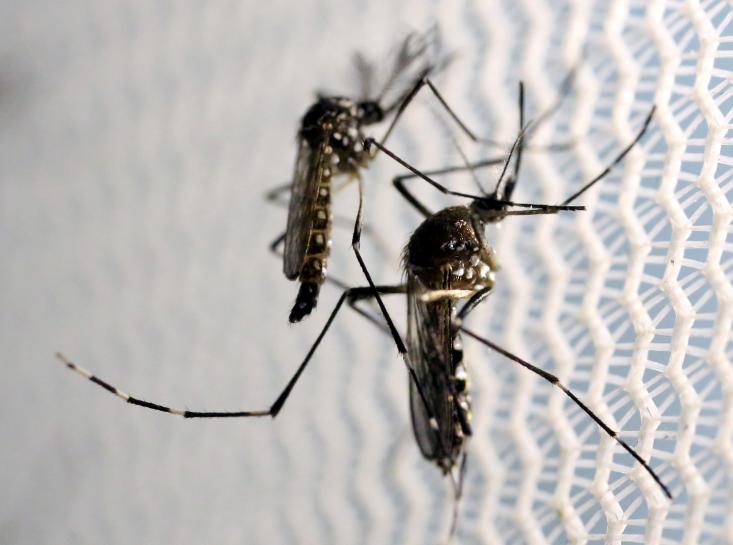
FILE PHOTO: Aedes aegypti mosquitoes are seen inside Oxitec laboratory in Campinas, Brazil, on February 2, 2016. REUTERS/Paulo Whitaker/File Photo Studies using gene sequencing equipment to trace the path of Zika through the Americas show the virus arrived a y... More »
FILE PHOTO: A DNA double helix is seen in an undated artist’s illustration released by the National Human Genome Research Institute to Reuters on May 15, 2012. REUTERS/National Human Genome Research Institute/Handout/File Photo The University of California is ... More »
The U.S. patent agency on Tuesday will hear arguments in a heated dispute over who was first to invent a revolutionary gene-editing technology known as CRISPR. More »